California water dispute stalls Colorado River deal that would ease Arizona's cuts
If the three-state plan fails, KJZZ reports the cuts would likely hit the Central Arizona Project, which serves Phoenix and Tucson. Legislative approval may come after the new year.
What to know
- A Colorado River deal to spread some mandatory cuts across Arizona, California and Nevada is stalled over which California agencies would conserve, KJZZ reported.
- Without it, KJZZ's Alex Hager said, cuts would likely fall quite heavily on the Central Arizona Project, which carries river water to Phoenix and Tucson.
- Of the basin states, only Arizona gives its Legislature a chance to sign off on Colorado River plans, KJZZ reported in August.
- The Lake Mead delivery schedule starts at the beginning of the new year, but Hager said legislative approval might come after that.
PHOENIX — A Colorado River deal that would spread some of the mandatory cuts among Arizona, California and Nevada is stalled because several California water agencies have not agreed on which of them should use less, KJZZ reported Thursday.
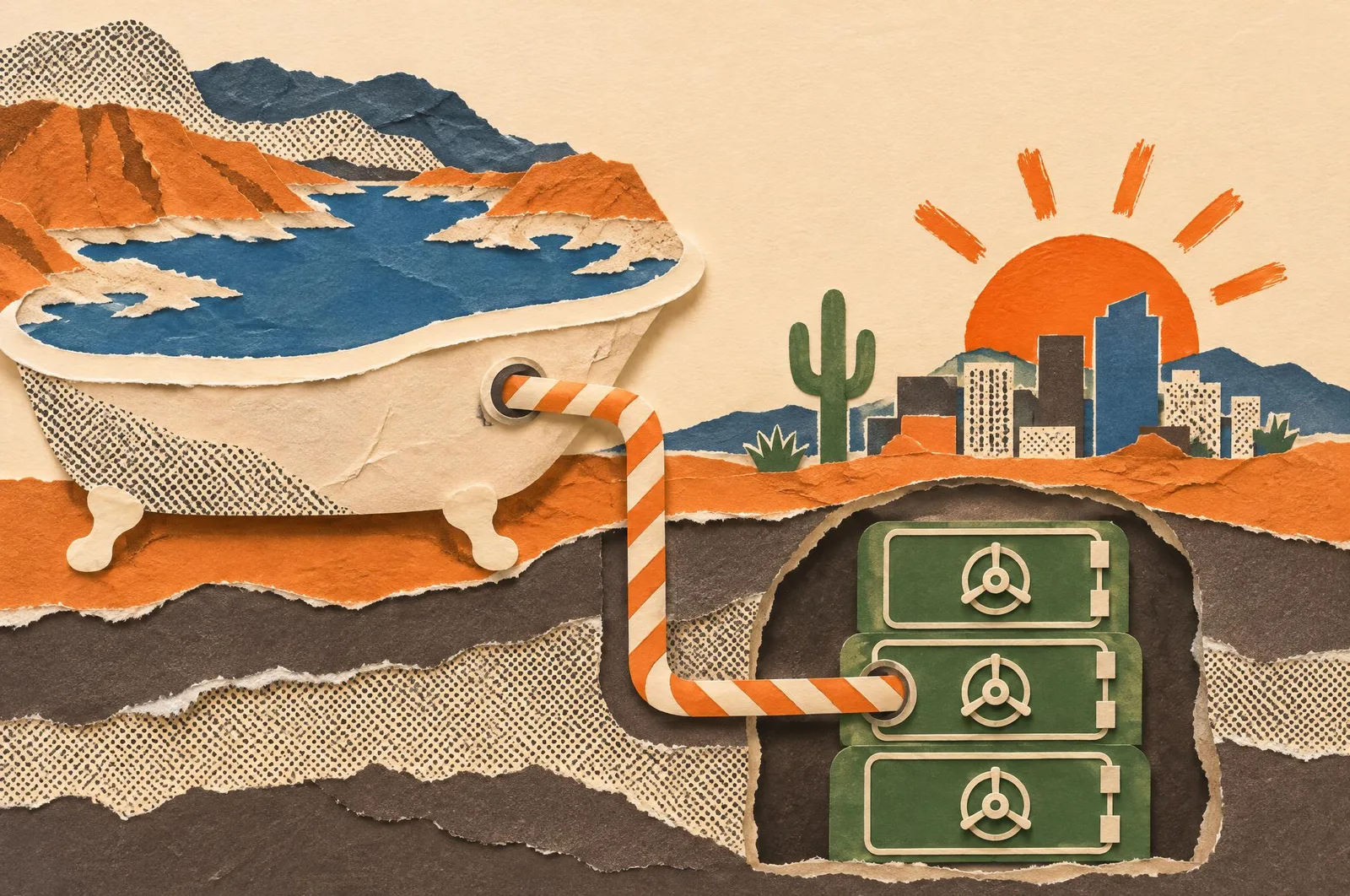
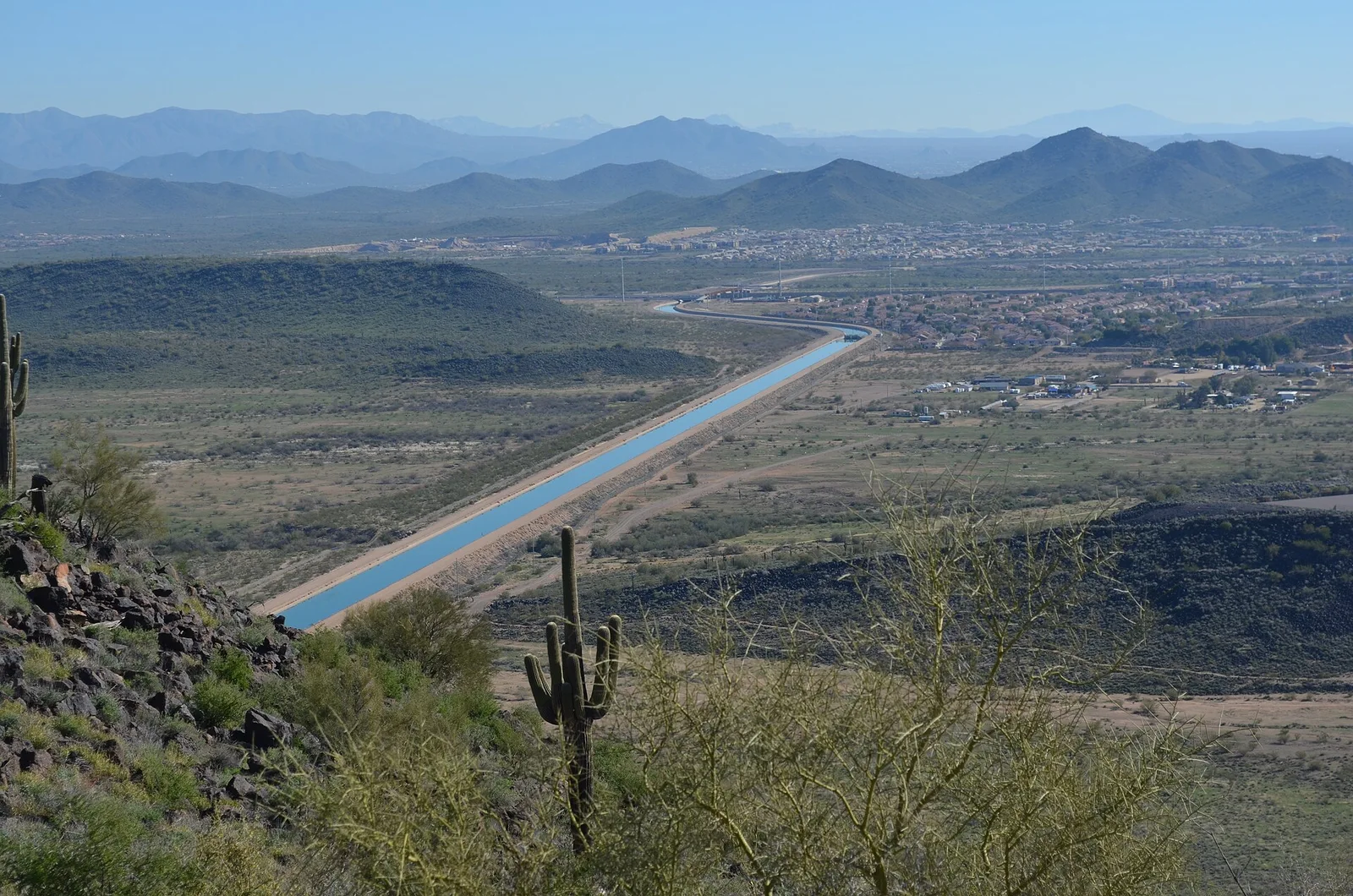
The stakes for Phoenix and Tucson run through the Central Arizona Project. If no three-state plan comes together, KJZZ water reporter Alex Hager said on the station's The Show, the cuts would fall "quite heavily" on the canal that carries Colorado River water to both areas.
Hager said that would "very likely mean sharper impacts for the Phoenix and Tucson areas in terms of just getting less water."
What the deal would do
KJZZ reported in August that Arizona, California and Nevada had signed an agreement among themselves for big reductions in their Colorado River use. The deal is meant to work alongside the federal plan and to spread the reductions across three states, instead of letting them fall disproportionately on the Phoenix area.
The Chronicle reported Nov. 16 that the three states are aiming for savings of at least 700,000 acre-feet through 2028 under that deal. The Chronicle also reported that the Valley utilities' contribution is only about 10% of that goal, citing KJZZ.
Hager said the three states have lately worked together, something like allies who can help each other reach regional goals.
California is in a position to help, he said, because certain portions of Southern California also draw water from the Sierras, which can be depended on when the Colorado River runs short.
Where it is stuck
Hager said California's state Colorado River agency "kind of agreed" to the deal before figuring out exactly who would contribute the water it proposed to cut back.
What is left is a question of which specific farm and urban water agencies in California can chip in and add up to the larger total. Hager named two: the Metropolitan Water District, which he said serves 19 million people in the Los Angeles and San Diego areas, and the Imperial Irrigation District, which he called the single largest user of Colorado River water in the West.
The question, Hager said, is whether the farm agency and some of the others can contribute water and want to, or whether more of it, potentially all of it, will have to come from the city agency.
What happens if it fails
Hager said he put the question directly to the Arizona Department of Water Resources. The department said it is not yet clear exactly how the mandatory cuts would be imposed.
He added that Arizona's place in the order of cuts is one where, in his words, "a lot of times, cuts come first."
The Chronicle reported Nov. 16 that if the side deal falls through, Arizona would face the steep mandatory cuts in the federal plan, and some utilities could lack enough water to leave in Lake Mead in return for Water Bank access.
Why the Legislature's timing matters
Of the basin states, only Arizona gives its Legislature a chance to sign off on Colorado River plans, KJZZ reported in August. The check comes from a 1980 statute that is part of the Groundwater Management Act.
Rhett Larson, a water law professor at Arizona State University, said in KJZZ's August report that lawmakers cannot revoke the federal plan. "The federal government couldn't care less if the state Legislature approves or disapproves," he said. A different kind of agreement, such as the three-state deal, might fall under their purview, and Larson said it will probably take a special session to approve it.
On Thursday, Hager said he believes the Legislature would have to sign off on the deal for it to go through, though not necessarily in a special session. Lake Mead's delivery schedule starts at the beginning of the new year.
Hager said he talked to some officials who told him they do not necessarily need the deal done at the start of the year. Even after the 2027 delivery plan starts, he said, they have a little time to make changes, and legislative approval might not come until after the new year begins.
Host Lauren Gilger said the state would by then have Democrats in control of both chambers of the Legislature and the governor's office. "Yeah, that seems to be the case," Hager replied.
In August, KJZZ reported that Democratic Gov. Katie Hobbs said she hopes lawmakers will come together across the political spectrum for the vote without straying into other unrelated water policy issues. The same report said lawmakers passed the 2019 Drought Contingency Plan for the Colorado River by a nearly unanimous vote.
Sources
Links to the reporting and records this story is based on.
- KJZZArizona is waiting for answers about its water future with Colorado River a plan in limboNov. 19, 2026
- KJZZA new Colorado River plan is heading for Arizona lawmakers. Do they have the power to change it?Aug. 24, 2026
- The Arizona ChronicleCAP approves plan letting Valley cities leave Colorado River water in Lake MeadNov. 16, 2026