Public health group lays out wish list for Democratic Legislature: vaccines, emergency powers, guns, Medicaid
The Arizona Public Health Association wants lawmakers to act on school vaccine exemptions, which stand at 9.9%, and to boost AHCCCS funding early in the session as Medicaid changes take effect Jan. 1.

What to know
- Democrats take control of the Arizona Legislature in January, and the Arizona Public Health Association is pressing for health bills.
- Arizona's school vaccine personal belief exemption rate is 9.9%, up from 5.4% in 2019‑2020, and fifth-highest in the U.S. per KFF.
- The group wants the 30‑day limit on public health emergencies, set in a 2022 law, lengthened with legislative oversight.
- Medicaid work requirements and six-month renewals begin Jan. 1, 2027, and the group wants more AHCCCS staff funded early.
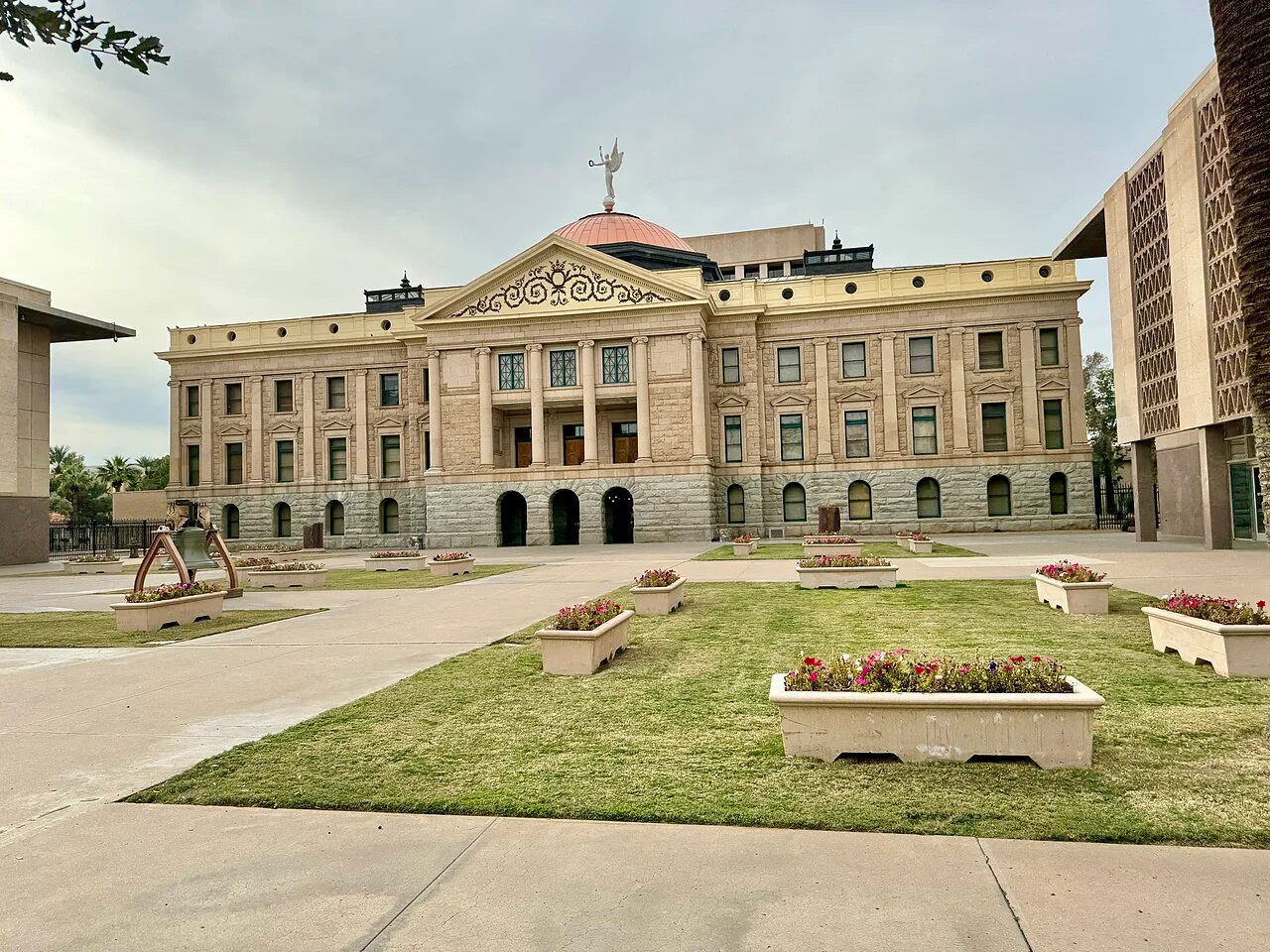
PHOENIX — The Democratic-controlled Legislature that takes office in January gives the Arizona Public Health Association an opening to pass health bills on vaccines, emergency powers, gun storage and Medicaid, KJZZ reported Monday. Democrats will control the Legislature for the first time in decades.
"I've been doing public health for 40 years, and this is the first time in my career that I can look and say, 'I see a real path to drastically improving public health policies that are evidence-based in Arizona,'" said Will Humble, the association's executive director.
The nearly 100-year-old group advocates for and against health bills each year at the Capitol. Humble said that in recent years Gov. Katie Hobbs, a Democrat, has vetoed Republican-backed bills, such as ones to loosen school vaccine requirements, that he described as built on misinformation or harmful to public health.
Emergency powers
Humble said a top priority is restoring some of the governor's authority to declare a public health emergency. Republican lawmakers curbed that power in 2022 with a law that capped emergencies at 30 days, in a backlash to what they described as government overreach in the COVID-19 response.
Humble said some legislative oversight makes sense. But he said 30 days is not enough time to bring a threat under control. "You definitely need several months, probably a year or more," he said.
Vaccine exemptions
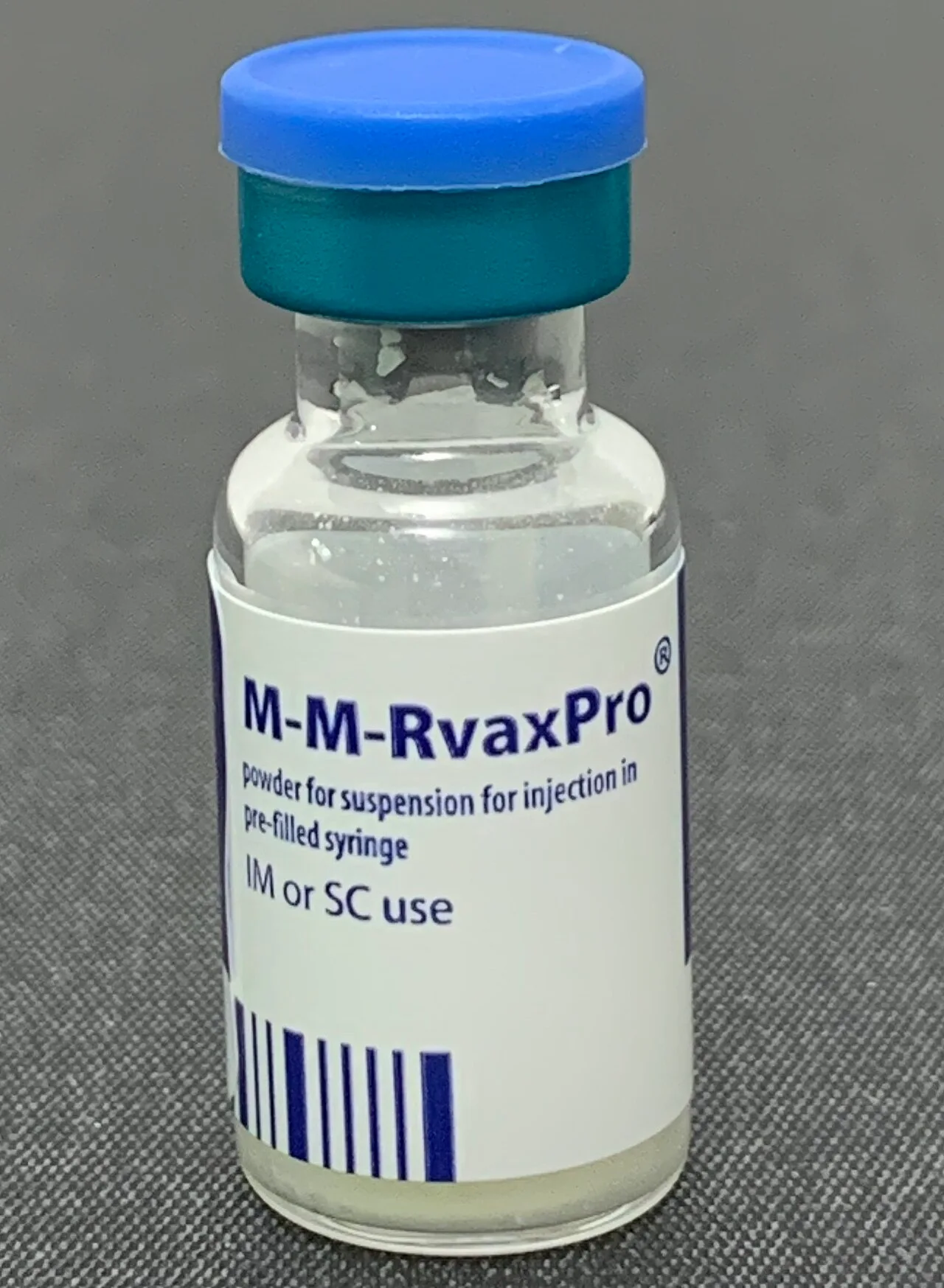
In the 2019-2020 school year, 5.4% of Arizona kindergartners had a personal belief exemption for at least one required vaccine. In 2025-2026 the rate was 9.9%. The health research group KFF ranks that fifth-highest in the country, according to KJZZ.
Humble said low vaccination rates leave the state more vulnerable to preventable diseases such as measles. He proposed requiring parents who seek an exemption to get more information. That would include a warning that an unvaccinated child may be barred from school during an outbreak.
I think we can build, or at least stop, the erosion in our vaccination rates if we have better informed consent.
Guns, abortion and Medicaid
Humble also wants a law holding gun owners criminally responsible when a child gets a gun that was not properly stored. "It's not about taking anyone's firearm," he said. He also wants lawmakers to repeal abortion regulations that courts have blocked, citing voter approval of Proposition 139. KJZZ reported that Democratic lawmakers have already signaled interest in ending the court fights over those rules.
On Medicaid, he wants a budget increase for the Arizona Health Care Cost Containment System, or AHCCCS, early in the session. Adults 19 to 64 in the expansion group who are covered must spend at least 80 hours a month working, volunteering or in school, and renew every six months, starting Jan. 1, 2027, KJZZ reported in September. The rules include exemptions for people with disabilities, caregivers, pregnant people and other groups. About 417,000 AHCCCS enrollees could be subject to the new work requirements, though many are exempt, KJZZ has reported.
Humble said the agency needs more staff for the added workload. He pointed to food stamps, where he said too few eligibility workers left people unable to reach anyone. "We're not talking about a fortune," he said.
The Legislature convenes in January, and the Medicaid changes take effect Jan. 1, 2027. The proposals are the association's, not the incoming majority's.
Sources
Links to the reporting and records this story is based on.