APS wants 14% more from homes and 45% more from data centers; regulators vote in December
The Corporation Commission's decision will set rates for about 1.5 million APS homes and businesses; data centers accounted for 7% of APS's peak demand last summer.
What to know
- APS has asked for a 14% residential rate increase and a 45% increase for extra-large users such as data centers.
- Regulators are expected to vote in December, and the utility says no rates change until the case ends.
- APS set a peak-demand record of 9,164 megawatts on Aug. 2; data centers were 7% of peak demand last summer, an APS executive said.
- APS says transformer costs are 49% to 90% higher than when rates were last set and that data centers should pay their full cost of service.
PHOENIX — Arizona Public Service has asked state regulators to raise residential rates 14% and to charge extra-large customers such as data centers 45% more, and a decision is expected in December, ABC15 reported.
The Arizona Corporation Commission will publicly review and vote on the case. APS said in a May statement that a final decision is expected "toward the end of the year" and that "No rate adjustments will occur until the rate case process is complete."
The outcome matters to about 1.5 million APS homes and businesses, ABC15 reported. APS said the review started in June 2025 and should wrap up by late 2026.
Why APS says it needs more
APS says its current rates are based on costs from five years ago. The utility said transformer costs are, on average, 49% to 90% higher than when rates were last set, and that inflation and rising expenses mean the old rates no longer cover the cost of running and strengthening the grid.
APS said the plan makes new large energy users, such as data centers, pay their full cost of service to protect residential and small business customers. It also proposes a formula rate, under which future costs are reviewed annually and assigned to the customer group responsible. The evidentiary hearing began May 18 and has since concluded, APS said on July 10.
After the hearing, APS said in July, an Administrative Law Judge would review the testimony, evidence and legal arguments and issue a recommended opinion and order, a step that could take months. APS and other parties can then file exceptions or responses before the commission votes at a public meeting. APS said customer rates were not changing at that point.
Data centers and demand
APS set an all-time peak of 9,164 megawatts at about 6 p.m. on Aug. 2, ABC15 reported. That was 6% above the prior record of 8,648 megawatts, set Aug. 7, 2025. Greg Bernosky, APS director of large customer strategy and development, said data centers accounted for 7% of peak demand last summer.
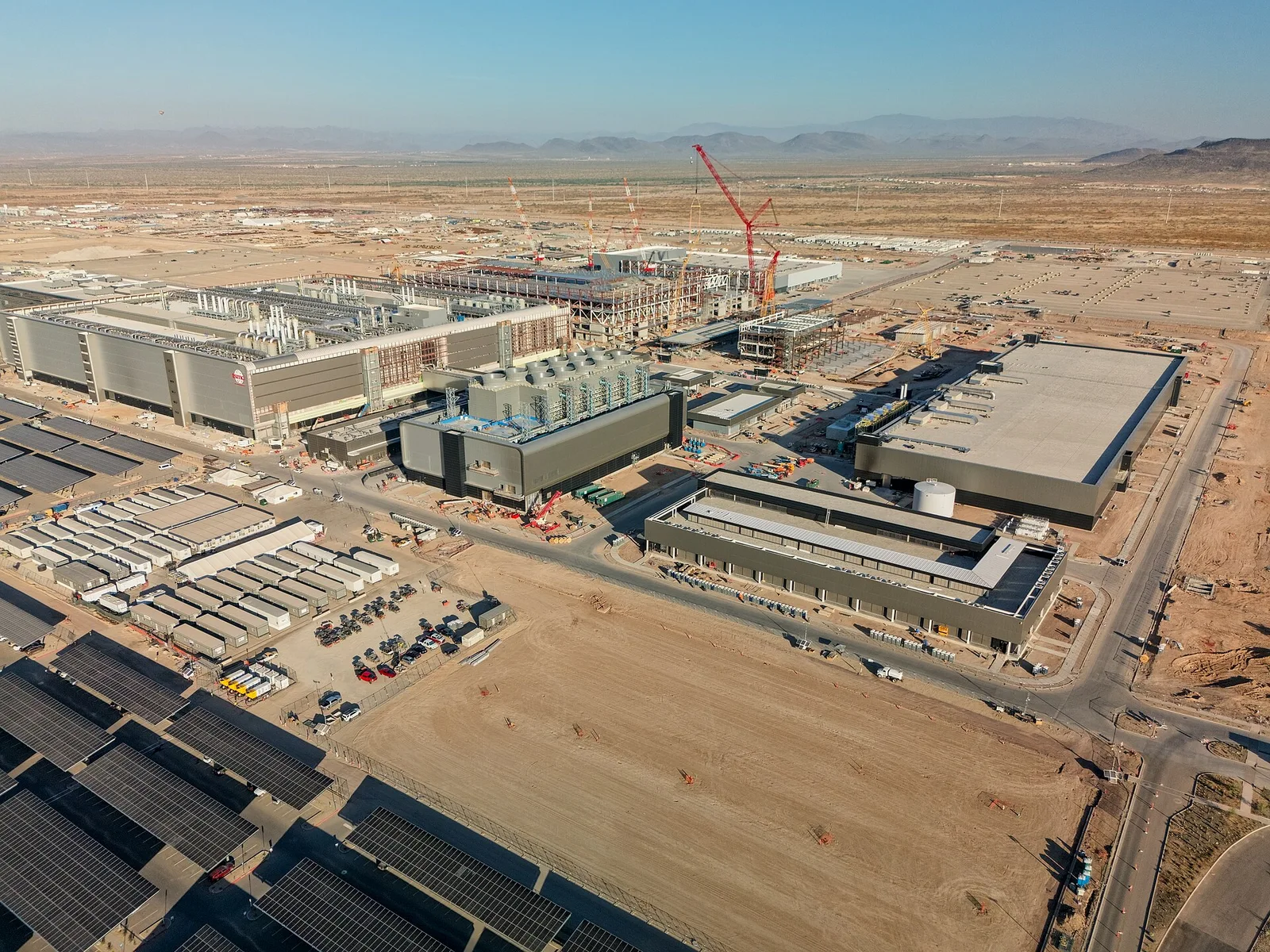
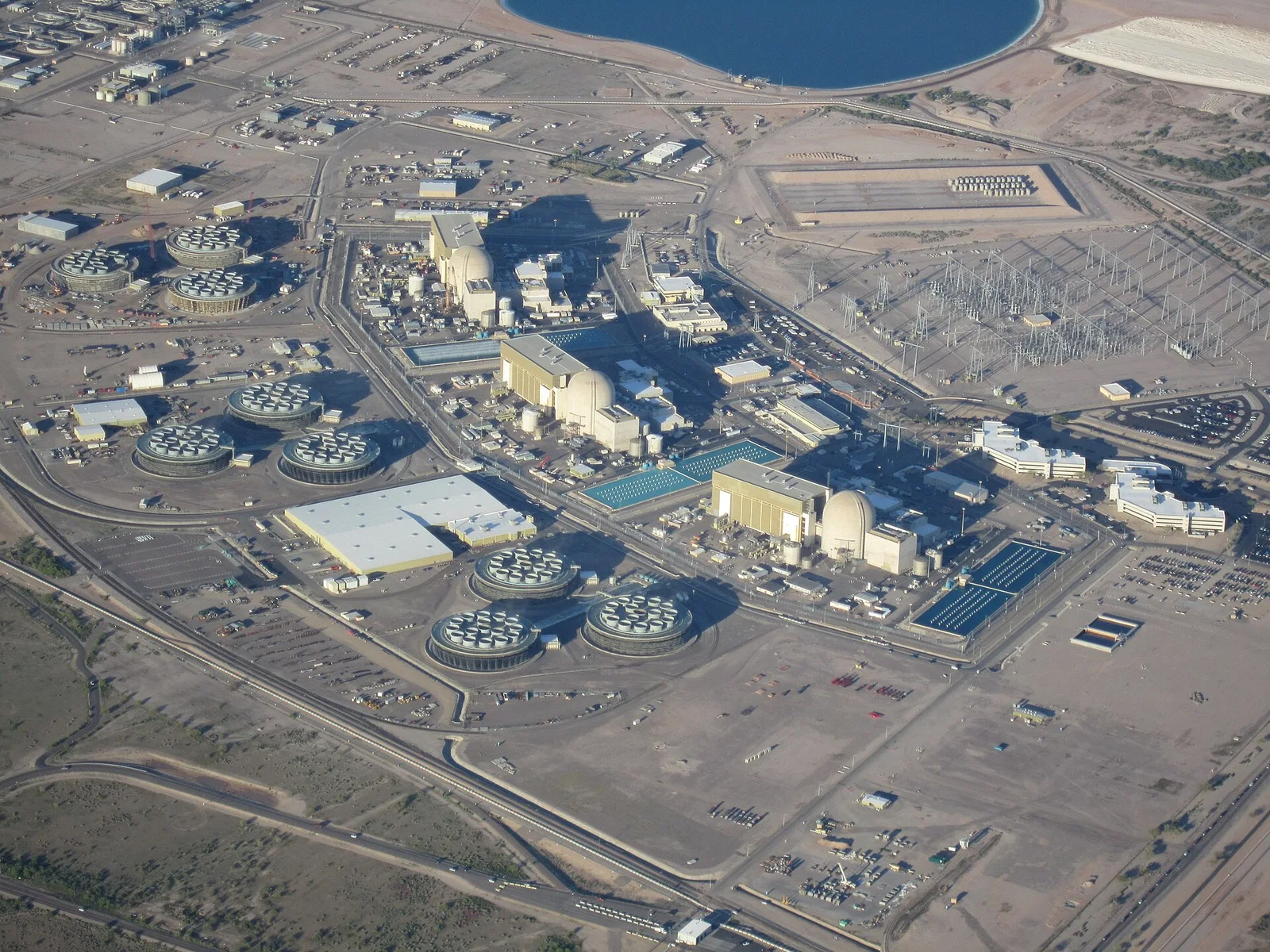
Two proposed projects west of Phoenix, Tract and Hassayampa Ranch, could draw up to 3,300 megawatts combined, according to their developers. APS estimates that equals the continuous power use of about 528,000 Arizona homes. The Palo Verde Generating Station, by comparison, generates 4,000 megawatts.
Bernosky said, "We're seeing a surge in data center activity, not just in Arizona but nationally." Asked what share of power data centers might use in five to 10 years, he said, "I don't know right now." APS describes its approach as "growth pays for growth."
"The utilities will say growth is paying for growth. However, it's a great mantra, but it really is meaningless if elected officials aren't really doing a serious analysis and holding the utilities accountable," said Diane Brown of the Arizona Public Interest Research Group.
Bills already stretched
Some Phoenix homeowners already see summer bills above $1,000 a month. Ricardo Reyes, who has a 4,000-square-foot home and a family of seven, showed ABC15 a September bill of $1,100, $300 more than the same month in 2025.
The commission is expected to vote on the APS case in December. Any change to bills would follow that decision.
Sources
Links to the reporting and records this story is based on.