Who pays to power SpaceX's proposed 6,000‑megawatt Cochise County data center
The campus would get its power through two rural cooperatives, not APS, and its permit application lists $3.6 billion in grid upgrades. Any rate increase would still need state regulators' approval.

What to know
- SpaceX's Cochise County campus would draw grid power through the Sulphur Springs Valley and Arizona Electric Power cooperatives, not APS.
- The permit application lists $3.6 billion in grid upgrades; SSVEC says the developer must pay for the upgrades needed to deliver all 6 gigawatts.
- Commissioner Kevin Thompson says data centers pay for new generation, but grid-wide reliability costs should be shared by everyone.
- Attorney General Kris Mayes wants the Dec. 9 county vote delayed and will hold a town hall at Cochise Elementary School on Dec. 3.
WILLCOX, ARIZ. — SpaceX's proposed Cochise County data center would get its electricity through two rural cooperatives instead of Arizona Public Service, and any rate increase would still need state regulators' approval, Fortune reported Sunday.
At full build-out, the campus would draw 6,000 megawatts, according to Fortune, which cited KJZZ in putting that at nearly two-thirds of the all-time peak APS hit across its system this summer. APS' peak demand record for all users this year was 9,164 megawatts, KJZZ reported.
That scale is why the bill matters to people here. Fortune wrote that the question of who covers the cost of power plants, water and grid upgrades for AI "is quickly becoming the question that decides whether these campuses get built." The Arizona Corporation Commission, which would have to approve any co-op rate increase, is also weighing an APS request to raise residential rates 14% to 16%.
Who would supply the power
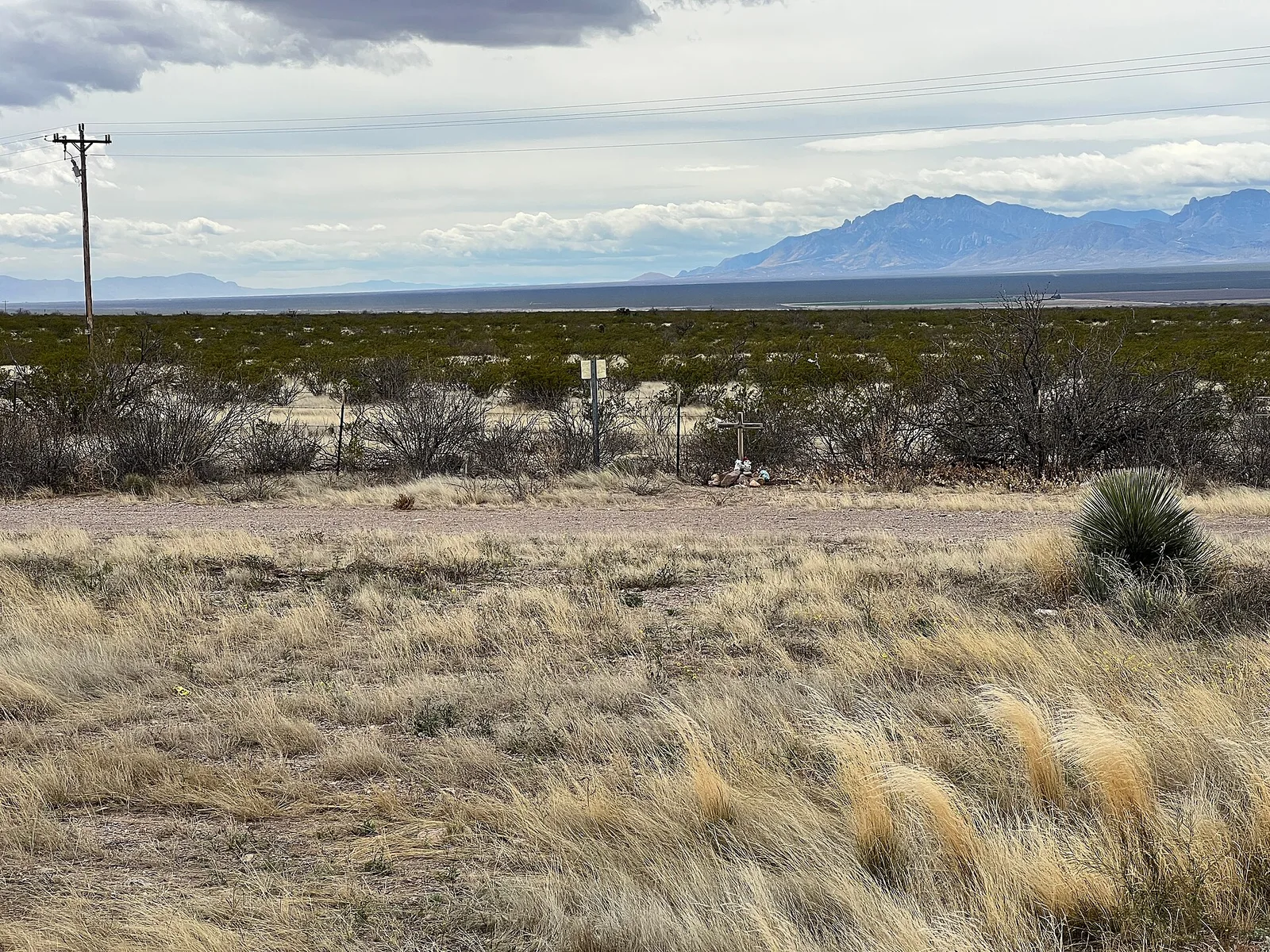
The 747-acre site lies near the Willcox Playa, roughly 80 miles east of Tucson, according to the Arizona Daily Star as cited by Fortune. Fortune reported its grid power would come through two co-ops: the Sulphur Springs Valley Electric Cooperative, or SSVEC, and the Arizona Electric Power Cooperative, or AEPCO.
The developer, Tombstone Resources LLC, is asking AEPCO for wholesale generation and transmission and SSVEC for retail service, KJZZ reported Nov. 3. AEPCO says it is working with the applicant to get the generation and transmission resources the project needs, according to KJZZ.
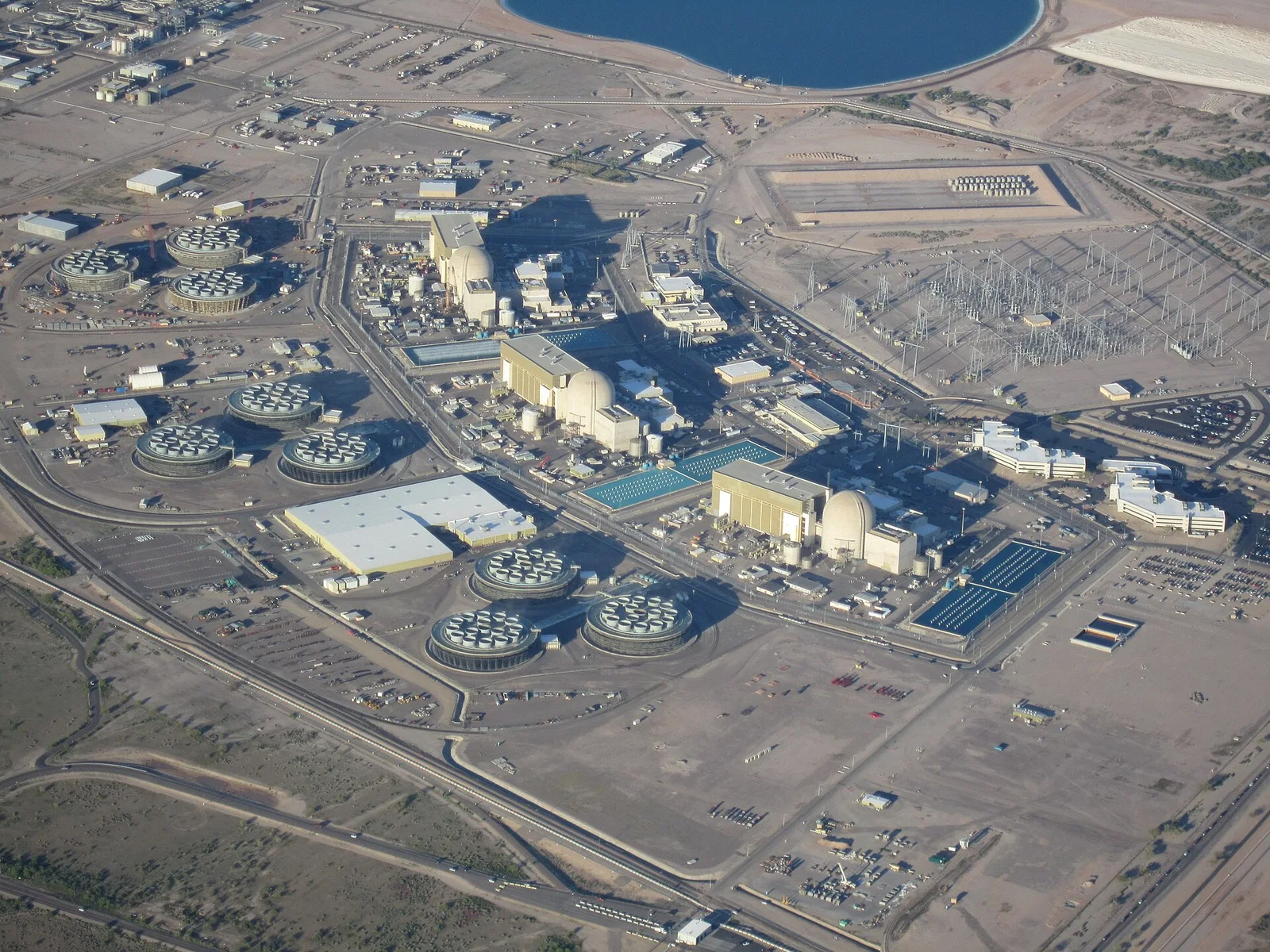
SpaceX says the Apache Generating Station nearby, a coal and natural gas plant, would expand from about 1 gigawatt to more than 6 gigawatts, Fortune reported. Attorney General Kris Mayes' Nov. 19 letter to the county puts the Apache plant's output at roughly 625 megawatts, AZFamily reported. The two accounts describe the plant's size differently.
The letter says the campus needs 1.5 gigawatts at start-up, and that this first phase alone is 62% larger than AEPCO's whole owned and contracted generation fleet, according to AZFamily. Fortune reported that the letter questions how SpaceX would cover power needs that exceed the regional cooperative's own generation.
Who pays for the grid
The permit application lists $3.6 billion in planned grid upgrades, Fortune reported. SSVEC says the developer will have to cover the upgrades and construction needed to deliver all 6 gigawatts, KJZZ reported. The co-op also says it is negotiating financial protections with Tombstone in case the project closes or doesn't use all the energy it requested.
Tombstone says it will pay more than it costs to supply energy to the site, which it says would mean 10% to 40% lower bills for other co-op members, according to KJZZ. Riley Trettle, head of SpaceX's energy and supercomputer department, said at a community meeting that the project would lower residents' electricity bills, the Star reported, as cited by Fortune.
Separately, SSVEC has told members about a possible rate increase next year and expects to file a rate case in fall 2027, KJZZ reported. The co-op says its financial pressures existed before the data center was proposed.
What regulators say
Corporation Commissioner Kevin Thompson says data centers will cover any new generation they require, but that spending on reliability for the entire grid should be shared by everyone, KJZZ reported in October. "If it's for the betterment of the grid as a whole, then that peanut butter should be spread across the bread, right?" Thompson told KJZZ.
If it's for the betterment of the grid as a whole, then that peanut butter should be spread across the bread, right?
In April, the commission said Arizona already has policies requiring large load and data center developers to bear certain costs of new energy infrastructure, and that they have so far protected homes and small businesses from cost shifts, according to a commission release. Thompson, who opened the commission's docket on the topic in 2025, said then: "We must ensure new growth continues to pay for the demands large users place on our system."
Data center customers were about 7% of APS' peak load this year, up from about 5% last year, Mike Eugenis, APS' director of resource planning, told KJZZ. In APS' pending rate case, company witness Jamie Moe acknowledged that residential demand isn't causing significant growth-related costs, KJZZ reported.
The water question
The campus would use dry cooling and would not draw groundwater for industrial purposes, though an existing well could supply as much as 10 acre-feet yearly for drinking water and upkeep, Fortune reported. KJZZ reported Nov. 3 that the developer said no new well would be needed because it plans to use trucked-in water or treated wastewater from the Apache station.
Experts told the Star that water used to generate the campus' power could raise its yearly water use by 60% to 90%, Fortune reported, and the permit does not estimate that amount. Mayes' letter says one 1-gigawatt natural gas plant running nonstop withdraws 3.6 million to 6.8 million gallons a day, AZFamily reported. The site is in the Willcox Active Management Area.
What happens next
Mayes asked the Cochise County Planning and Zoning Commission on Nov. 19 to hold off on its Dec. 9 vote so state and federal agencies can review the project, Fortune reported. If the county votes anyway, she recommended that the permit not take effect until SpaceX holds all relevant state and federal approvals, according to AZFamily.
Mayes will hold a town hall from 5:30 to 7 p.m. Thursday, Dec. 3, in the Cochise Elementary School gymnasium, KJZZ reported. The Planning and Zoning Commission's public hearing on the proposal is set for Wednesday, Dec. 9, according to KJZZ.
Sources
Links to the reporting and records this story is based on.
- FortuneElon Musk's SpaceX is betting $74 billion on AI data centers. Texas and Arizona want to know who pays for the powerNov. 22, 2026
- KJZZLargest data center proposal in Arizona heads to Cochise County. 1st community meeting scheduledNov. 3, 2026
- KJZZArizona utilities scramble to keep up as data center boom drives rapid expansion of the power gridOct. 26, 2026
- KJZZArizona AG asks Cochise County supervisors to delay vote on SpaceX data centerNov. 19, 2026
- AZFamilyAG Mayes asks Cochise County to delay vote on $50B SpaceX data centerNov. 19, 2026
- Arizona Corporation CommissionACC Data Center/Large Load Workshop HighlightsApril 20, 2026