Environmental group moves to sue feds over Grand Canyon humpback chub protections
The Center for Biological Diversity says the Bureau of Reclamation should be required, not merely allowed, to send cool water from Lake Powell into the Grand Canyon when set conditions on the river are met.
What to know
- The group filed a notice of intent to sue; the government has 60 days to respond before a lawsuit can be filed.
- The group says federal officials should be required to use tools against invasive predators when certain conditions are met on the river.
- The river warmed enough in July to trigger releases, but officials never used cool mix flows from Lake Powell, KJZZ reported.
- The humpback chub only exists in the Colorado River system and is considered threatened under the Endangered Species Act.
GRAND CANYON, ARIZ. — The Center for Biological Diversity has laid out plans to sue the federal government to strengthen protections for threatened fish in the Grand Canyon, KJZZ reported on Friday.
According to KJZZ, the nonprofit argues that the agencies managing Colorado River water should be compelled to do more for the river's native species. The group outlined its case in a notice of intent to sue; the government now has 60 days to respond before a lawsuit can be filed.
In a Nov. 19 news release, the Center said it sent the notice to two agencies: the U.S. Bureau of Reclamation and the U.S. Fish and Wildlife Service. The group accuses them of violating the Endangered Species Act through Glen Canyon Dam and Colorado River operations that rely on voluntary measures.
The fish at the center of the dispute is the humpback chub. According to KJZZ, the species only exists in the Colorado River system and is considered "threatened" under the Endangered Species Act. KJZZ reported that native fish, especially the chub, have faced elevated threats from invasive fish in recent years.
KJZZ reported that as water levels have fallen in Lake Powell, invasive species have been able to move downstream and prey on humpback chub. Powell is the large reservoir upstream of the Grand Canyon. Environmentalists argue that the Bureau of Reclamation, the federal agency that operates the reservoir, needs to change its approach to protecting the fish downstream.
What the notice asks for
According to KJZZ, federal officials have tools to push out invasive predators and help humpback chub, but they decide for themselves whether to use them. The group's planned suit argues that those tools should be mandatory when certain conditions are met on the river.
One of those tools is the "cool mix flow," KJZZ reported. Smallmouth bass are an invasive species that thrive in warm water. As stretches of the river warm, the bass can move farther into the Grand Canyon and crowd out native species. Water managers can counter that by sending a pulse of colder water from Lake Powell into the canyon.
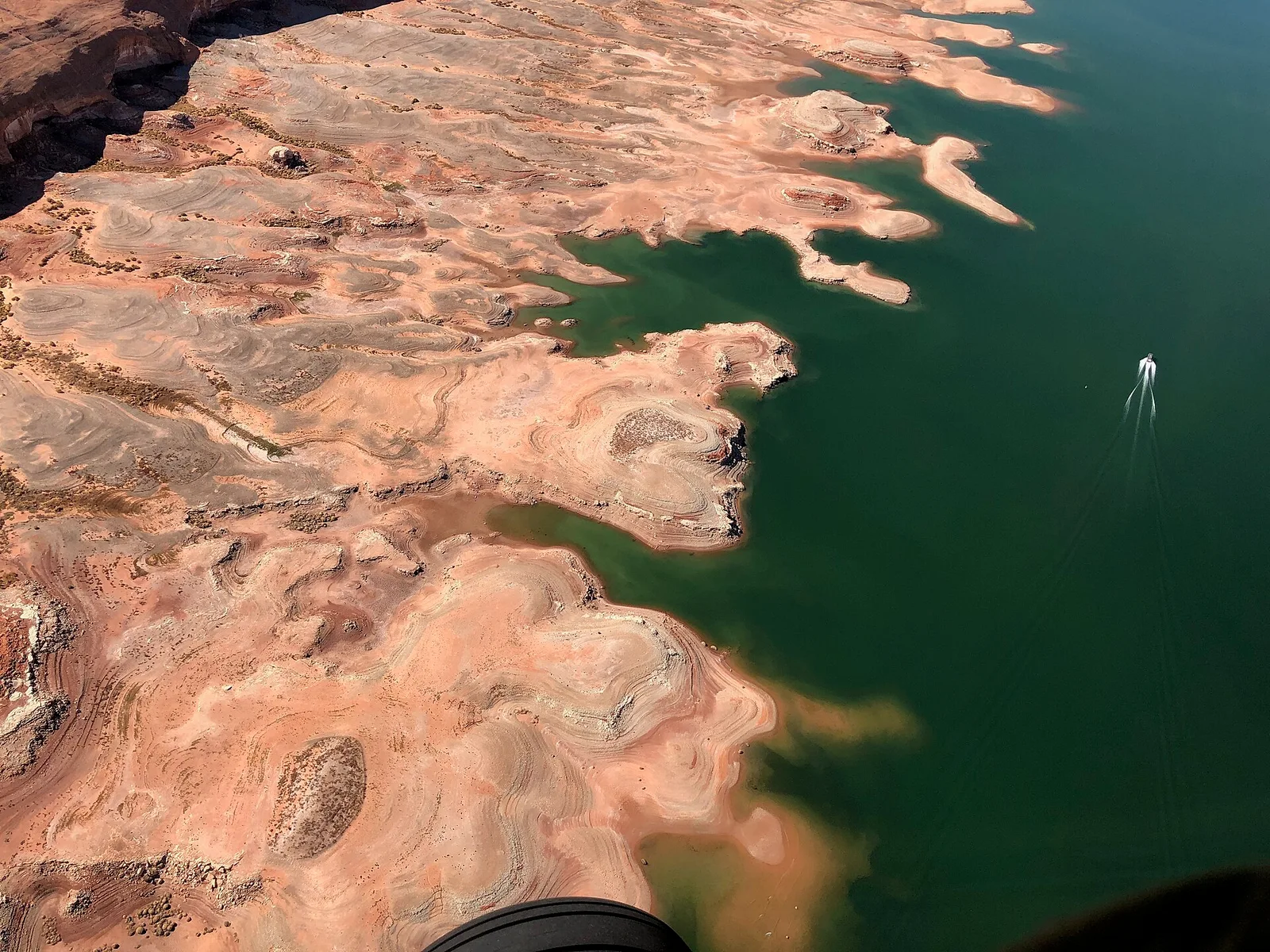
Lake Powell reached record low water levels this summer, KJZZ reported, following a historically dry winter and a political fight among the seven states that use the Colorado River over demand for its water. The reservoir nearly fell too low to generate hydropower at its dam, according to KJZZ.
KJZZ also reported that the river warmed enough in July to trigger releases, yet officials never used cool mix flows from the reservoir.
"There should be a hard trigger for that," Taylor McKinnon, the Center for Biological Diversity's Southwest director, said, according to KJZZ. "All of this has remained voluntary," McKinnon said, adding that the result is agencies "not taking action when it's politically uncomfortable to do what's needed to protect the endangered species."
"We're just not seeing the action that the agency's own science says is needed to protect these fish," McKinnon said, according to KJZZ. "This lawsuit seeks to compel that."
KJZZ reported that McKinnon said the Bureau of Reclamation is breaking the Endangered Species Act by running programs like cool mix flows on a voluntary, uncertain basis.
KJZZ's report did not include a response from the Bureau of Reclamation or any other federal agency.
The notice of intent to sue starts a 60-day window for the government to respond. If it does not resolve the group's complaints in that time, the Center for Biological Diversity can file its lawsuit, KJZZ reported.
Sources
Links to the reporting and records this story is based on.
- KJZZEnvironmental group moves to sue feds over Colorado River fish protectionsNov. 20, 2026
- Center for Biological DiversityLawsuit Launched to Protect Threatened Fish in Grand CanyonNov. 19, 2026