Storms lift Lake Powell more than 20 feet, but the reservoir is still only a quarter full
Late October and early November rain and flooding gave the nation's second-largest reservoir a rare boost. Federal managers are unlikely to change releases until snowpack peaks.
What to know
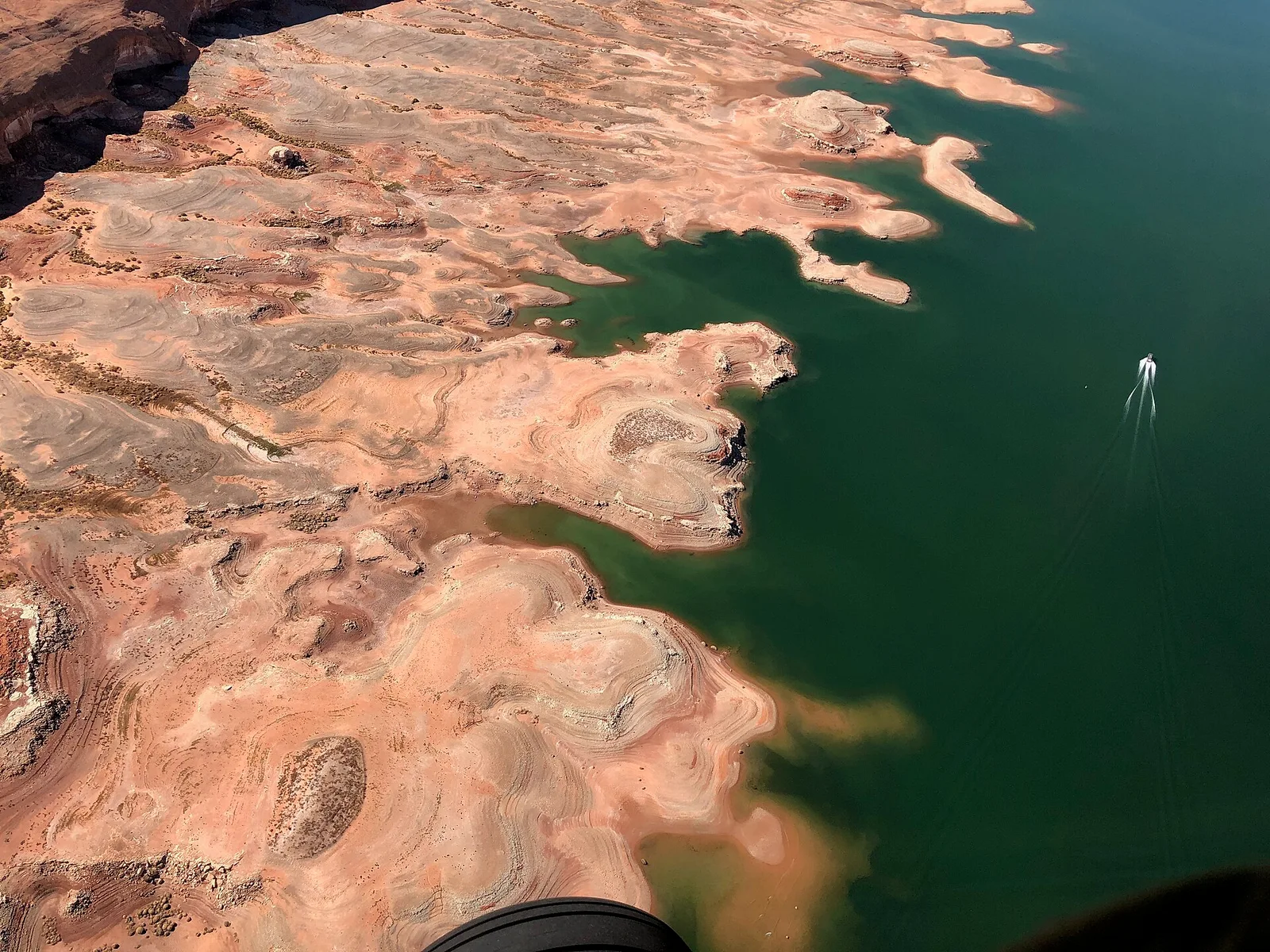
- Lake Powell has risen more than 20 feet since its mid-September low, more than this year's snowmelt added.
- Powell is still just over a quarter full, and the AP reported only two of its 17 boat ramps were usable.
- Federal managers are unlikely to change Powell releases until snowpack peaks, typically around April.
- Arizona, California and Nevada still face a combined 1.25 million acre-foot annual cut for the next two years.
PAGE — Lake Powell rose more than 20 feet from its mid-September low after late-October and early-November storms, a gain that dwarfs this year's snowmelt, climate scientist Martin Hoerling told the Associated Press.
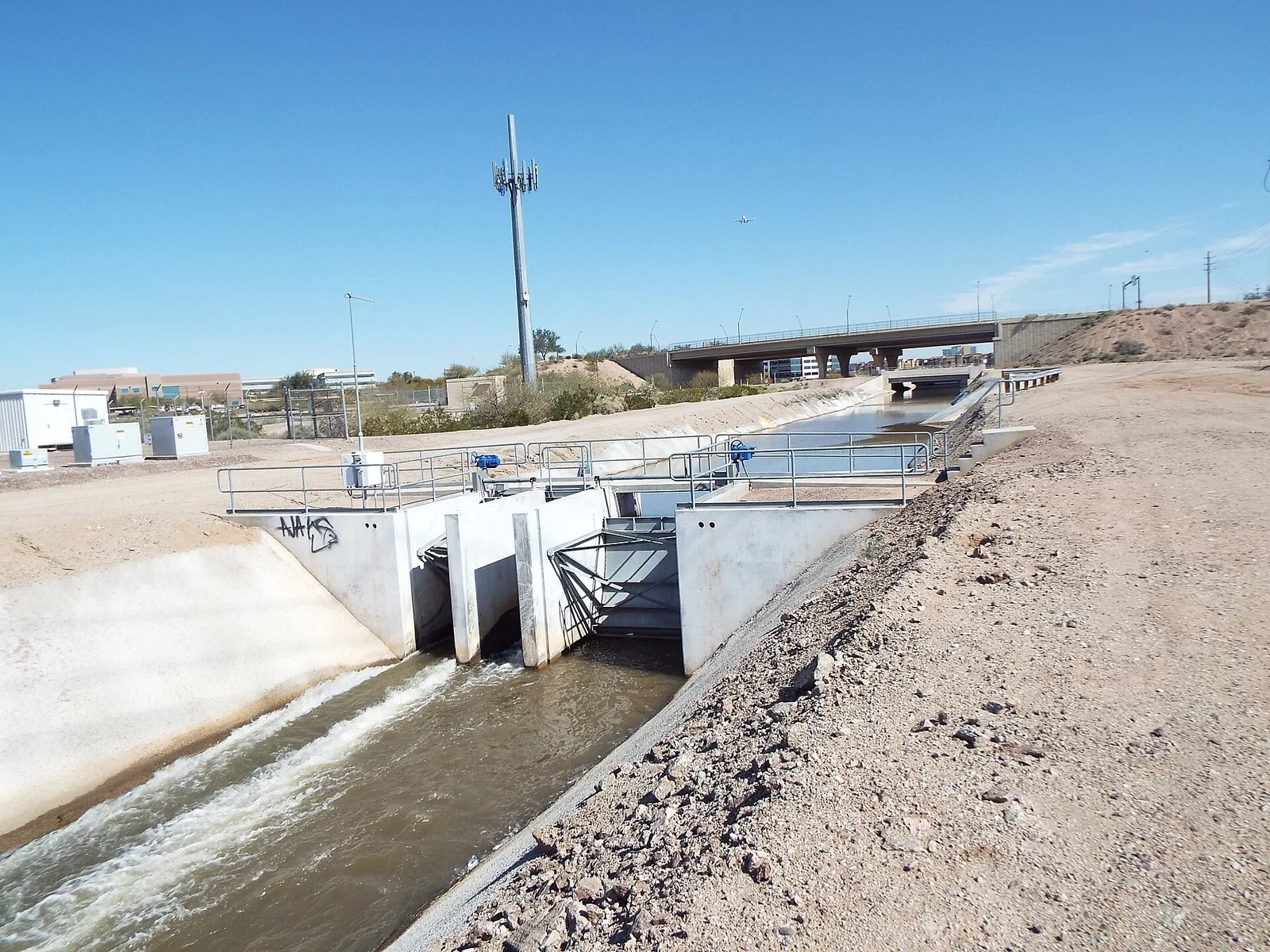
The same storms sent floodwater through normally dry creeks across the Southwest and forced hundreds of people to evacuate, according to the AP. Water officials released water from two nearly full dams into the Verde River's normally dry stretch in metro Phoenix, the AP reported, citing Bo Svoma, principal meteorologist at the Salt River Project.
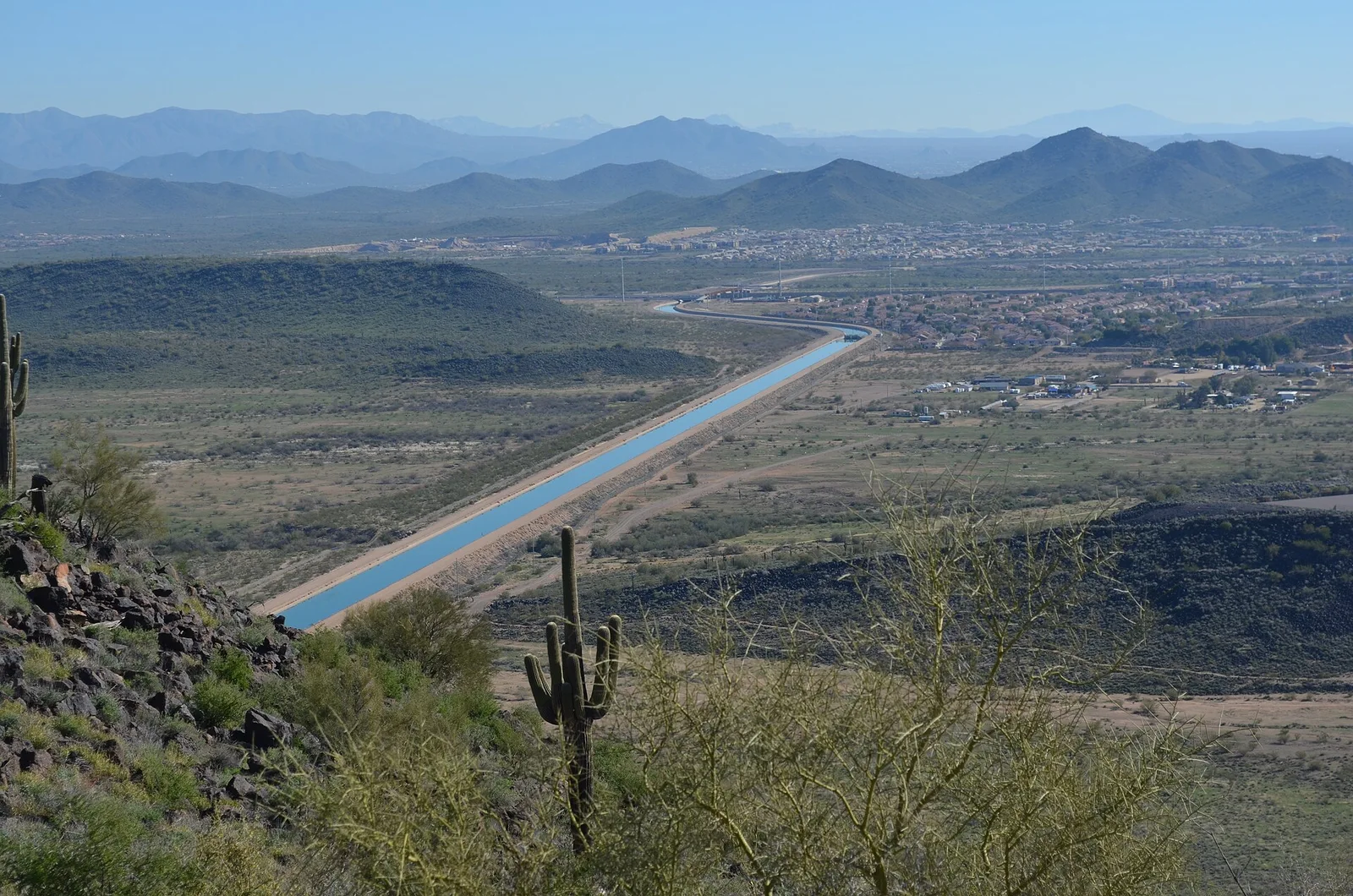
Even after the gain, Powell, the nation's second-largest reservoir, is just over a quarter full, with only two of its 17 boat ramps usable, the AP reported. The Colorado River also supplies the Central Arizona Project, which delivers water to Maricopa, Pinal and Pima counties.
Reclamation's own figures show how low the lake started. At the end of September, Powell stood at 3,518.08 feet, about 182 feet below full pool and 22% of live capacity, according to the Bureau of Reclamation.
How much more could come
Hoerling, a climate scientist and hydrologist at the University of Colorado Boulder, called the rain "somewhat of an unexpected boost from Mother Nature." He estimated the lake could gain more than 1.2 million acre-feet in total, according to the AP. Experts say El Niño's effects will last several more months, potentially adding to water supplies, the AP reported.
Hoerling said the region still has work to do. "We need to figure out how to be resilient in a drier future. And we're not quite there yet," he said.
The wet weather reached beyond Powell. Storms dropped about 7 inches of rain around Pagosa Springs, Colorado, in October, and town manager David Harris said water restrictions that had covered more than 10,000 people are lifted, the AP reported.
In Flagstaff, Upper Lake Mary, which supplies up to 40% of the city's water, has taken in more than 3 billion gallons since early October. "It's just a great, great thing to see," said Brian Huntzinger, the city's water production manager, according to the AP.
Why the cuts stay
The rain does not change the federal plan. Under it, California, Nevada and Arizona will together cut use by 1.25 million acre-feet a year for the next two years, according to the AP. Nevada and Arizona are challenging that plan in court.
Jack Schmidt, a Utah State University professor, said the U.S. Bureau of Reclamation is unlikely to change Lake Powell or other releases until it knows when snowpack has peaked, typically around April, the AP reported. Mary Carlson, a Reclamation spokesperson, acknowledged conditions have improved but said "considerable uncertainty remains."
The next signal is the winter snowpack. Until it peaks, the shortage cuts and the court fight over them stand.
Sources
Links to the reporting and records this story is based on.
- KJZZ (Associated Press)Lake Powell rises 20 feet after heavy rains across Arizona, the SouthwestNov. 9, 2026
- KNAU (Associated Press, Wufei Yu)Floods bring rare relief to US Southwest reservoirs as Lake Powell rises 20 feetNov. 10, 2026
- U.S. Bureau of ReclamationGlen Canyon Dam / Lake Powell
- Central Arizona ProjectAbout CAP