Arizona voters approve Prop. 141, banning taxes based on miles driven
The constitutional amendment passed with about 51% of the vote, closing off a mileage-based replacement for the gas tax as fuel revenue declines.
What to know
- Prop. 141 bars any tax or fee on Arizona drivers tied to miles driven, and rules to track or limit mileage.
- Unofficial results at 12:43 p.m. Nov. 9 showed 50.99% yes to 49.01% no, a margin of 48,013 votes.
- Arizona has no mileage tax; roads are funded through the 18‑cent-a-gallon gas tax, unchanged since 1990.
- Gas tax revenue is falling as more drivers switch to electric vehicles, leaving the funding question open.
PHOENIX — Arizona voters approved Proposition 141, a constitutional ban on taxing or charging drivers by the miles they drive, according to unofficial results reported by KTAR and a call by The Associated Press.
As of 12:43 p.m. Monday, with all 15 counties reporting, KTAR's results page showed 1,231,220 votes for the measure (50.99%) and 1,183,207 against (49.01%), a gap of 48,013 votes. The figures are unofficial.
The AP called the race with 51% in favor and 98% of votes counted statewide, KJZZ reported. Ballot measures in Arizona need a simple majority to become law.
The result shuts off one option for paying for roads as gas tax revenue shrinks. A mileage-based tax was considered one potential alternative to the existing gas tax, KJZZ reported, and gas tax revenue is falling as more motorists switch to electric vehicles.
What the measure does
According to KJZZ, the measure forbids the state from charging drivers by distance traveled in any tax or fee, and from adopting rules that track or cap mileage.
KTAR's earlier explainer described the measure as a legislative referral that amends the Arizona Constitution and applies to state and local governments. Under the ballot language, it also bars laws or rules that monitor or limit vehicle miles traveled without consent. It does not apply to interstate commercial vehicles or to vehicles owned by state or local governments.
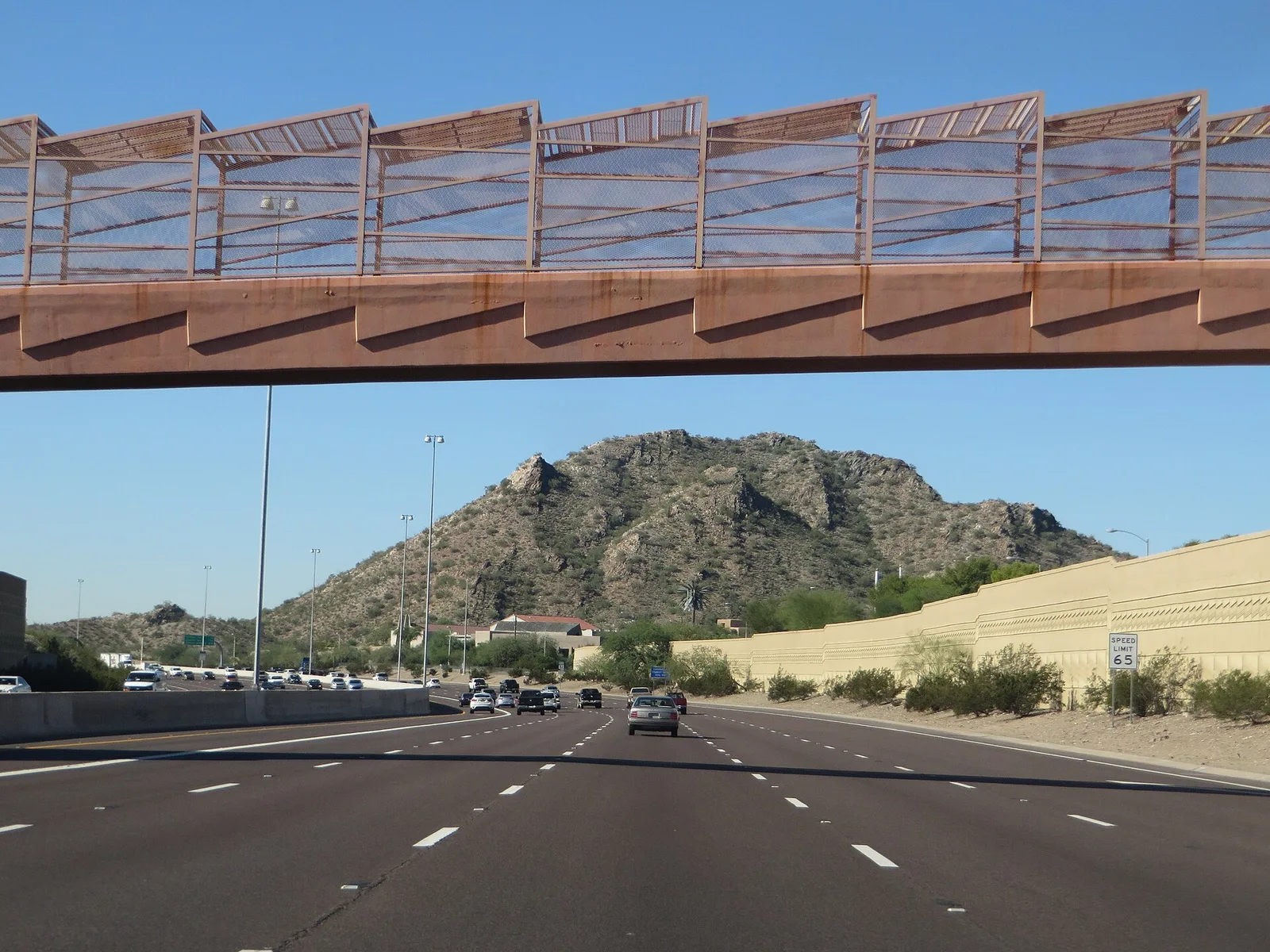
Arizona has no mileage-based tax now, so the measure blocks a policy that does not exist. Road projects are currently funded through the state gas tax, Sen. Priya Sundareshan told KTAR. That tax is 18 cents a gallon and was last raised in 1990.
Who backed it, and who opposed it
Sen. Jake Hoffman, a Republican, introduced the measure as SCR 1004, and the Legislature referred it to the ballot in a bipartisan vote in 2025, according to KTAR. Hoffman said Arizonans should be free to move without government surveillance and voiced concern about GPS tracking.
Aimee Yentes, vice president of policy at the Arizona Free Enterprise Club, also supported it. She argued a mileage tax would raise housing prices. "It will punish people who decide to live further on the outskirts, because they're going to generate more VMT," Yentes told KTAR.
She said other revenue, such as Maricopa County's half-cent sales tax, could cover any shortfall.
Sen. Priya Sundareshan, a Democrat, opposed the measure. "Our road funding is already inadequate, and I think people across the state know that," she told KTAR. She said electric vehicle growth is cutting gas tax revenue and that a mileage tax could make EV owners help pay for roads.
Sundareshan also said such a tax could be collected without GPS, such as through self-reporting at registration renewal, KTAR reported. Some say the measure is preemptive and could make future road fixes harder to pay for, KTAR reported.
Our road funding is already inadequate, and I think people across the state know that.
What comes next
The ban leaves open how Arizona will cover road costs as gas tax revenue falls. KTAR's totals are unofficial, and the AP made its call with 98% of votes counted, so the final tally is still to come.
Sources
Links to the reporting and records this story is based on.
- KJZZArizona voters approve Prop. 141, a ban on vehicle mileage taxesNov. 9, 2026
- KTAR2026 Arizona ballot measures: Which propositions are passing, failing?Nov. 9, 2026
- KTARProp 141: What to know about this Arizona ballot measureOct. 27, 2026